
Grok Bot turns an AI agent into a coworker
You ask a chatbot a question. You give Grok Bot a job. A small difference in words, but a large one in practice.
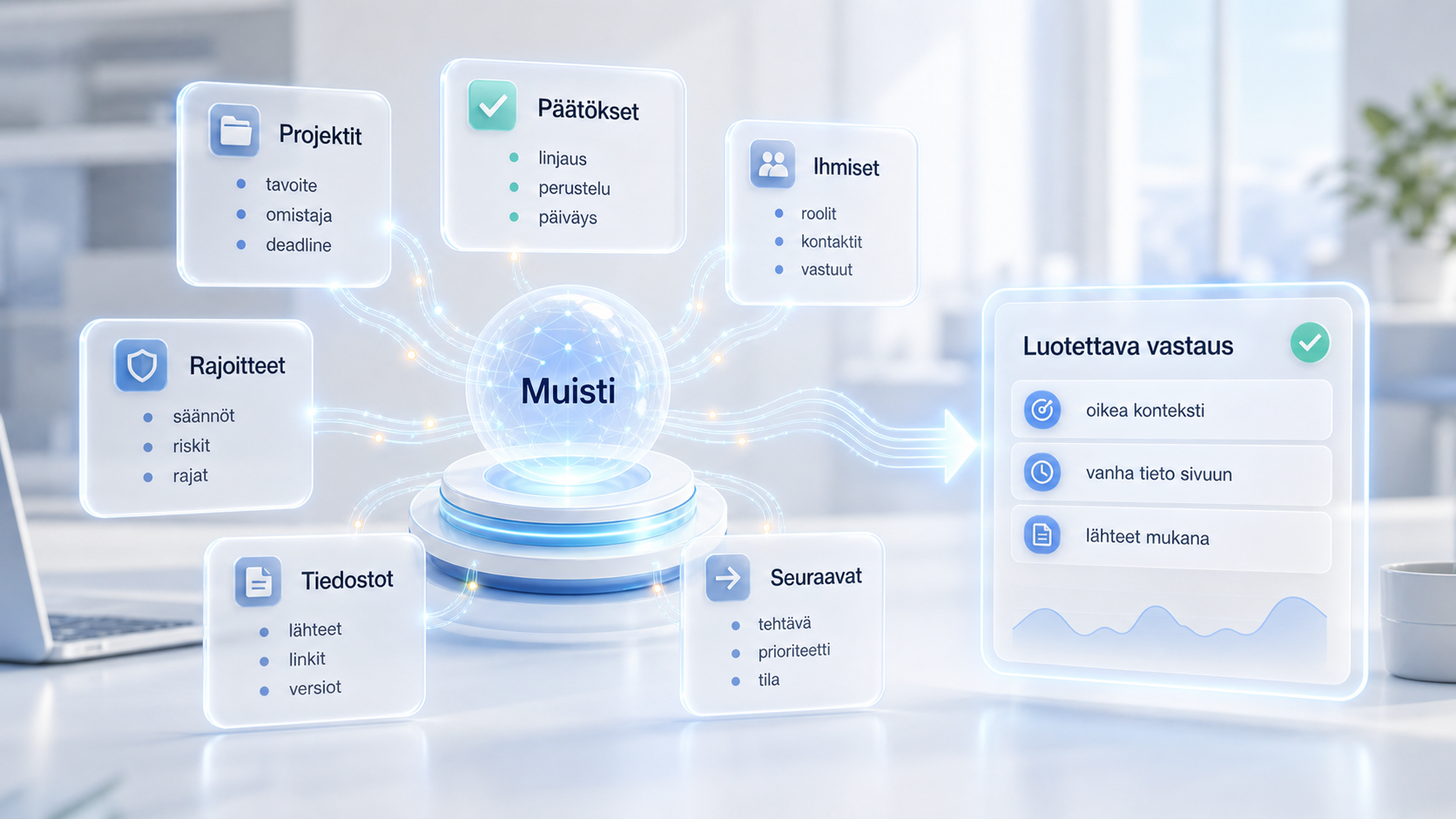
SpaceXAI released Grok Bot in August 2026 as an early beta. It has its own cloud computer, can sign in to approved services, use websites and continue working while the user's laptop is closed.
That is more useful than adding another chat window. A lot of office work does not stall because AI cannot write a decent answer. It stalls because someone still has to open the right system, find the customer, update the record, prepare a draft and ask for approval.
A computer changes the kind of work an agent can do
Despite some early descriptions, Grok Bot does not use the user's own computer as its workspace. Bots share a persistent computer in the cloud. The user installs a desktop app for macOS or Windows, but the work itself can keep running in the cloud around the clock.
This also lets an agent use services without a clean API. If a person can complete the task in a browser, the Bot may be able to do the same. That is both the strongest part of the product and the reason access needs to be handled carefully.
The interface may matter more than the model ranking
Agent systems such as OpenClaw and Hermes have already shown how far this way of working can go. They still require configuration and a willingness to build your own setup.
Grok Bot tries to package the same idea as a product. Create a Bot, give it one job and tell it when to stop for approval. If onboarding is genuinely that simple, it will matter more to most businesses than a few points in a model benchmark.
Companies rarely want to build an agent platform. They want the Monday report finished, the CRM kept tidy and invoices routed to the right place.
Give each Bot a profession, not the whole company
xAI recommends focused Bots instead of one catch-all agent. A sales Bot can research selected accounts and leave outreach drafts for approval. A finance Bot can gather receipts and flag gaps. A product Bot can reproduce a bug and file a ticket with screenshots.
A narrow role is easier to explain, review and secure. It also lets the Bot build useful memory around one job instead of collecting an untidy history of everything.
You can show it the work once
One of Grok Bot's more interesting features is teaching by demonstration. A Bot can watch a person complete a workflow, save the steps as a routine and try to run it independently next time.
This does not remove the need for clear instructions. A demonstrated process may contain hidden assumptions, exceptions and old habits that should not be automated. It does make it easier to start: the process owner does not need to write a technical specification before the first trial.
Set boundaries before handing over real credentials
A capable language model does not make browser automation safe by itself. A business needs to decide which systems the Bot may access, what data it may handle in the cloud, which actions require approval and how changes are logged.
xAI's guide says passwords, two-factor codes and CAPTCHAs are entered by the person in takeover mode. That is a reasonable start, but it does not replace least-privilege access. A test Bot does not need an administrator account. A Bot that drafts email does not automatically need permission to send it.
The price keeps this in early-adopter territory
As of August 2026, Grok Bot is included in plans such as SuperGrok Heavy at $300 per month and Cursor Ultra at $200 per month. The product is still in early beta, so this is not yet a cheap general-purpose tool for every employee.
The fair comparison is the cost of the task, not the price of an ordinary chatbot. If a Bot reliably completes several hours of useful work every week, the subscription may make sense. Without a clear recurring job, an expensive licence mostly buys curiosity.
What does Grok Bot actually tell us?
Grok Bot does not prove that a company can hand its operations to AI. It is a beta, and the polished examples come from the vendor. Reliability, quality and supervision still need to be tested in real work.
It does show where AI products are heading. An agent earns its place when a defined task arrives in the right system and a person is brought in only when judgment is needed.
The right first test is not “run my business.” It is more ordinary: here are the sources, here is the task, these are your limits, and this is where you leave the result for review. If the Bot can do that week after week, it has moved beyond the demo.